

如何逐步实现Java在线聊天室功能?
- 内容介绍
- 文章标签
- 相关推荐
本文共计4409个文字,预计阅读时间需要18分钟。
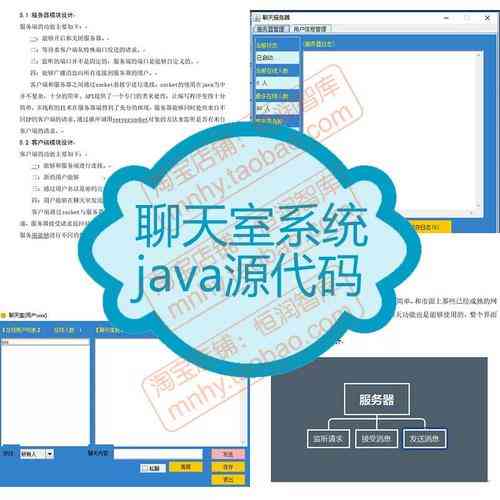
本文实例分享了一个Java实现在线聊天室的完整代码,供大家参考。内容从实现单个多客户端的信息收集(基础简易版)到各种实现代码的封装(OOP版)。
一、实现单个多客户端的信息收集(基础简易版)
1. 创建Server类,负责接收客户端连接和发送消息:javapublic class Server { private int port; private ServerSocket serverSocket; private ArrayList clients;
public Server(int port) { this.port=port; this.serverSocket=new ServerSocket(port); this.clients=new ArrayList(); }
public void start() throws IOException { System.out.println(Server started on port + port); while (true) { Socket clientSocket=serverSocket.accept(); clients.add(clientSocket); System.out.println(Client connected: + clientSocket.getInetAddress().getHostAddress()); } }
public void sendMessage(String message, Socket clientSocket) throws IOException { OutputStream outputStream=clientSocket.getOutputStream(); outputStream.write(message.getBytes()); outputStream.flush(); }
public void stop() throws IOException { serverSocket.close(); for (Socket clientSocket : clients) { clientSocket.close(); } System.out.println(Server stopped); }}
2. 创建Client类,负责连接服务器并发送接收消息:javapublic class Client { private String host; private int port; private Socket socket;
public Client(String host, int port) { this.host=host; this.port=port; }
public void connect() throws IOException { socket=new Socket(host, port); System.out.println(Connected to server: + host + : + port); }
public void sendMessage(String message) throws IOException { OutputStream outputStream=socket.getOutputStream(); outputStream.write(message.getBytes()); outputStream.flush(); }
public String receiveMessage() throws IOException { InputStream inputStream=socket.getInputStream(); StringBuilder message=new StringBuilder(); byte[] buffer=new byte[1024]; int length; while ((length=inputStream.read(buffer)) !=-1) { message.append(new String(buffer, 0, length)); } return message.toString(); }
public void close() throws IOException { socket.close(); System.out.println(Disconnected from server); }}
3. 主函数中创建Server和Client对象,实现连接和通信:javapublic class Main { public static void main(String[] args) { try { Server server=new Server(12345); server.start();
Client client1=new Client(localhost, 12345); client1.connect(); client1.sendMessage(Hello, server!); System.out.println(client1.receiveMessage());
client1.close();
Server clientServer=new Server(12346); clientServer.start();
Client client2=new Client(localhost, 12346); client2.connect(); client2.sendMessage(Hello, clientServer!); System.out.println(client2.receiveMessage());
client2.close();
server.stop(); clientServer.stop(); } catch (IOException e) { e.printStackTrace(); } }}
二、实现各种实现代码的封装(OOP版)
1. 创建Message类,封装消息内容:javapublic class Message { private String sender; private String receiver; private String content;
public Message(String sender, String receiver, String content) { this.sender=sender; this.receiver=receiver; this.content=content; }
// Getter and Setter methods}
2. 修改Server和Client类,使用Message类封装消息:java// Server类public class Server { // ... public void sendMessage(Message message, Socket clientSocket) throws IOException { OutputStream outputStream=clientSocket.getOutputStream(); outputStream.write(message.toString().getBytes()); outputStream.flush(); }
// ...}
// Client类public class Client { // ... public String receiveMessage() throws IOException { InputStream inputStream=socket.getInputStream(); StringBuilder message=new StringBuilder(); byte[] buffer=new byte[1024]; int length; while ((length=inputStream.read(buffer)) !=-1) { message.append(new String(buffer, 0, length)); } return message.toString(); }
// ...}
3. 修改主函数,使用Message类进行消息传递:java// Main类public class Main { public static void main(String[] args) { try { // ... Message message1=new Message(client1, server, Hello, server!); client1.sendMessage(message1); System.out.println(client1.receiveMessage());
// ... } catch (IOException e) { e.printStackTrace(); } }}
本文实例为大家分享了Java实现在线聊天室的具体代码,供大家参考,具体内容如下
- 本文讲述了从实现单个多个客户的收发信息(基础简易版),到各种实现代码的封装(oop版),实现群聊(群聊过渡版),到最后实现私聊(终极版)的过程
- 本文内容是在初步学习网络编程时,练习强化记忆时的学习总结
- 主要利用了TCP网络编程和多线程
- 如有问题,欢迎指出
综合案例:在线聊天室
需求:使用TCP的Socket实现一个聊天室
- 服务器端:一个线程专门发送消息,一个线程专门接收消息
- 客户端:一个线程专门发送消息,一个线程专门接收消息
1. 基础简易版
1.1 一个客户收发多条消息
目标:实现一个客户可以正常收发多条信息
服务器
/** * 在线聊天室: 服务器 * 目标:实现一个客户可以正常收发多条消息 * 服务器不生产内容,相当于一个转发站,将客户端的请求转发 */ public class MutiChat { public static void main(String[] args) throws IOException { System.out.println("-----Server-----"); // 1、指定端口 使用ServerSocket创建服务器 ServerSocket server = new ServerSocket(8888); // 2、利用Socket的accept方法,监听客户端的请求。阻塞,等待连接的建立 Socket client = server.accept(); System.out.println("一个客户端建立了连接"); DataInputStream dis = new DataInputStream(client.getInputStream()); DataOutputStream dos = new DataOutputStream(client.getOutputStream()); boolean isRunning = true; while (isRunning) { // 3、接收消息 String msg = dis.readUTF(); // 4、返回消息 dos.writeUTF(msg); dos.flush(); } // 5、释放资源 dos.close(); dis.close(); client.close(); } }
客户端
/** * 在线聊天室: 客户端 * 目标:实现一个客户可以正常收发(多条)信息 */ public class MutiClient { public static void main(String[] args) throws IOException { System.out.println("-----Client-----"); // 1、建立连接:使用Socket创建客户端 + 服务的地址和端口 Socket client = new Socket("localhost", 8888); // 2、客户端发送消息 BufferedReader console = new BufferedReader(new InputStreamReader(System.in)); // 对接控制台 DataOutputStream dos = new DataOutputStream(client.getOutputStream()); DataInputStream dis = new DataInputStream(client.getInputStream()); boolean isRunning = true; while (isRunning) { String msg = console.readLine(); dos.writeUTF(msg); dos.flush(); // 3、获取消息 msg = dis.readUTF(); System.out.println(msg); } // 4、释放资源 dos.close(); dis.close(); client.close(); } }
1.2 多个客户收发多条消息(不使用多线程)
- 目标:实现多个客户可以正常收发多条信息
- 出现排队问题:其他客户必须等待之前的客户退出,才能收发消息
服务器
public class MutiChat { public static void main(String[] args) throws IOException { System.out.println("-----Server-----"); // 1、指定端口 使用ServerSocket创建服务器 ServerSocket server = new ServerSocket(8888); // 2、利用Socket的accept方法,监听客户端的请求。阻塞,等待连接的建立 while (true) { Socket client = server.accept(); System.out.println("一个客户端建立了连接"); DataInputStream dis = new DataInputStream(client.getInputStream()); DataOutputStream dos = new DataOutputStream(client.getOutputStream()); boolean isRunning = true; while (isRunning) { // 3、接收消息 String msg = dis.readUTF(); // 4、返回消息 dos.writeUTF(msg); dos.flush(); } // 5、释放资源 dos.close(); dis.close(); client.close(); } } }
1.3 多个客户收发多条消息(多线程)
- 目标:实现多个客户可以正常收发多条信息
- 出现的问题:利用Lambda太复杂,代码过多不好维护;客户端读写没有分开,必须先写后读
服务器代码
public class ThreadMutiChat { public static void main(String[] args) throws IOException { System.out.println("-----Server-----"); // 1、指定端口 使用ServerSocket创建服务器 ServerSocket server = new ServerSocket(8888); // 2、利用Socket的accept方法,监听客户端的请求。阻塞,等待连接的建立 while (true) { Socket client = server.accept(); System.out.println("一个客户端建立了连接"); // 加入多线程 new Thread(()->{ DataInputStream dis = null; DataOutputStream dos = null; try { dis = new DataInputStream(client.getInputStream()); dos = new DataOutputStream(client.getOutputStream()); } catch (IOException e) { e.printStackTrace(); } boolean isRunning = true; while (isRunning) { // 3、接收消息 String msg = null; try { msg = dis.readUTF(); // 4、返回消息 dos.writeUTF(msg); dos.flush(); } catch (IOException e) { // e.printStackTrace(); isRunning = false; // 停止线程 } } // 5、释放资源 try { if (null == dos) { dos.close(); } } catch (IOException e) { e.printStackTrace(); } try { if (null == dis) { dis.close(); } } catch (IOException e) { e.printStackTrace(); } try { if (null == client) { client.close(); } } catch (IOException e) { e.printStackTrace(); } }).start(); } } }
2. oop封装版
目标:封装使用多线程实现多个客户可以正常收发多条消息
- 1、线程代理 Channel,一个客户代表一个 Channel
- 2、实现方法:接收消息 - receive; 发送消息 - send; 释放资源 - release;
- 3、其中释放资源 release方法中利用工具类 Utils:实现Closeable接口、可变参数
- 好处:利用封装,是代码简洁,便于维护
服务器端
示例代码:
public class ThreadMutiChat { public static void main(String[] args) throws IOException { System.out.println("---服务器开始工作---"); // 1、指定端口 使用ServerSocket创建服务器 ServerSocket server = new ServerSocket(8888); // 2、利用Socket的accept方法,监听客户端的请求。阻塞,等待连接的建立 while (true) { Socket client = server.accept(); System.out.println("一个客户端建立了连接"); new Thread(new Channel(client)).start(); } } // 一个客户代表一个Channel static class Channel implements Runnable { private DataInputStream dis = null; private DataOutputStream dos = null; private Socket client; private boolean isRunning; public Channel(Socket client) { this.client = client; try { dis = new DataInputStream(client.getInputStream()); dos = new DataOutputStream(client.getOutputStream()); isRunning = true; } catch (IOException e) { System.out.println("---构造时出现异常---"); release(); } } // 接收消息 private String receive() { String msg = ""; // 避免空指针 try { msg = dis.readUTF(); } catch (IOException e) { System.out.println("---接受消息出现异常---"); release(); } return msg; } // 发送消息 private void send(String msg) { try { dos.writeUTF(msg); dos.flush(); } catch (IOException e) { System.out.println("---发送消息出现异常---"); release(); } } // 释放资源 private void release() { this.isRunning = false; // 封装 Utils.close(dis, dos, client); } // 线程体 @Override public void run() { while (isRunning) { String msg = receive(); if (!msg.equals("")) { send(msg); } } } } }
工具类Utils:实现Closeable接口,利用可变参数,达到释放资源的作用
示例代码
public class Utils { public static void close(Closeable... targets) { // Closeable是IO流中接口,"..."可变参数 // IO流和Socket都实现了Closeable接口,可以直接用 for (Closeable target: targets) { try { // 只要是释放资源就要加入空判断 if (null != target) { target.close(); } }catch (Exception e) { e.printStackTrace(); } } } }
客户端:启用两个线程Send和Receive实现收发信息的分离
示例代码
public class ThreadMutiClient { public static void main(String[] args) throws IOException { System.out.println("-----客户端开始工作-----"); Socket client = new Socket("localhost", 8888); new Thread(new Send(client)).start(); new Thread(new Receive(client)).start(); } }
使用多线程封装客户的发送端 – Send类
实现方法:
1、发送消息 - send()
2、从控制台获取消息 - getStrFromConsole()
3、释放资源 - release()
4、线程体 - run()
示例代码
public class Send implements Runnable { private BufferedReader console; private DataOutputStream dos; private Socket client; private boolean isRunning; public Send(Socket client) { this.client = client; console = new BufferedReader(new InputStreamReader(System.in)); // 对接控制台 try { dos = new DataOutputStream(client.getOutputStream()); isRunning = true; } catch (IOException e) { System.out.println("---客户发送端构造时异常---"); release(); } } // 从控制台获取消息 private String getStrFromConsole() { try { return console.readLine(); } catch (IOException e) { e.printStackTrace(); return ""; } } // 发送消息 private void send(String msg) { try { dos.writeUTF(msg); dos.flush(); } catch (IOException e) { System.out.println("---客户发送端发送消息异常---"); release(); } } @Override public void run() { while (isRunning) { String msg = getStrFromConsole(); if (!msg.equals("")) { send(msg); } } } // 释放资源 private void release() { this.isRunning = false; Utils.close(dos,client); } }
使用多线程封装客户的接收端 – Receive类
实现方法:
1、接收消息 - send
2、释放资源 - release()
3、线程体 - run()
示例代码
public class Receive implements Runnable { private DataInputStream dis; private Socket client; private boolean isRunning; public Receive(Socket client) { this.client = client; try { dis = new DataInputStream(client.getInputStream()); isRunning = true; } catch (IOException e) { System.out.println("---客户接收端构造时异常---"); release(); } } // 接收消息 private String receive() { String msg = ""; try { msg = dis.readUTF(); } catch (IOException e) { System.out.println("---客户接收端接收消息异常---"); release(); } return msg; } // 释放资源 private void release() { isRunning = false; Utils.close(dis, client); } @Override public void run() { while (isRunning) { String msg = receive(); if (!msg.equals("")) { System.out.println(msg); } } } }
3. 群聊过渡版
目标:加入容器,实现群聊
服务器端
1、建立 CopyOnWriteArrayList<Channel> 容器,容器中的元素是Channel客户端代理。要对元素进行修改同时遍历时,推荐使用此容器,避免出问题。
2、实现方法void sendOthers(String msg)将信息发送给除自己外的其他人。
服务器端实现代码
public class Chat { // 建立 CopyOnWriteArrayList<Channel> 容器 private static CopyOnWriteArrayList<Channel> all = new CopyOnWriteArrayList<>(); public static void main(String[] args) throws IOException { System.out.println("---服务器开始工作---"); ServerSocket server = new ServerSocket(8888); while (true) { Socket client = server.accept(); System.out.println("一个客户端建立了连接"); Channel c = new Channel(client); all.add(c); // 管理所有的成员 new Thread(c).start(); } } // 一个客户代表一个Channel static class Channel implements Runnable { private DataInputStream dis; private DataOutputStream dos; private Socket client; private boolean isRunning; private String name; public Channel(Socket client) { this.client = client; try { dis = new DataInputStream(client.getInputStream()); dos = new DataOutputStream(client.getOutputStream()); isRunning = true; // 获取名称 this.name = receive(); // 欢迎 this.send("欢迎你的到来"); sendOthers(this.name + "加入群聊", true); } catch (IOException e) { System.out.println("---构造时出现问题---"); release(); } } // 接收消息 private String receive() { String msg = ""; // 避免空指针 try { msg = dis.readUTF(); } catch (IOException e) { System.out.println("---接受消息出现问题---"); release(); } return msg; } // 发送消息 private void send(String msg) { try { dos.writeUTF(msg); dos.flush(); } catch (IOException e) { System.out.println("---发送消息出现问题---"); release(); } } // 群聊:把自己的消息发送给其他人 private void sendOthers(String msg, boolean isSys) { for (Channel other : all) { if (other == this) { continue; } if (!isSys) { other.send(this.name + ": " + msg); // 群聊消息 } else { other.send("系统消息:" + msg); // 系统消息 } } } // 线程体 @Override public void run() { while (isRunning) { String msg = receive(); if (!msg.equals("")) { sendOthers(msg, false); } } } // 释放资源 private void release() { this.isRunning = false; // 封装 Utils.close(dis, dos, client); // 退出 all.remove(this); sendOthers(this.name + "离开聊天室", true); } } }
客户端实现代码
public class Client { public static void main(String[] args) throws IOException { System.out.println("-----客户端开始工作-----"); BufferedReader br = new BufferedReader(new InputStreamReader(System.in)); Socket client = new Socket("localhost", 8888); System.out.println("请输入用户名:"); // 不考虑重名 String name = br.readLine(); new Thread(new Send(client, name)).start(); new Thread(new Receive(client)).start(); } }
客户端Send类实现代码
public class Send implements Runnable { private BufferedReader console; private DataOutputStream dos; private Socket client; private boolean isRunning; private String name; public Send(Socket client, String name) { this.client = client; console = new BufferedReader(new InputStreamReader(System.in)); this.isRunning = true; this.name = name; try { dos = new DataOutputStream(client.getOutputStream()); // 发送名称 send(name); } catch (IOException e) { System.out.println("Send类构造时异常"); release(); } } // 从控制台获取消息 private String getStrFromConsole() { try { return console.readLine(); } catch (IOException e) { e.printStackTrace(); return ""; } } // 发送消息 private void send(String msg) { try { dos.writeUTF(msg); dos.flush(); } catch (IOException e) { System.out.println("---客户发送端发送消息异常---"); release(); } } @Override public void run() { while (isRunning) { String msg = getStrFromConsole(); if (!msg.equals("")) { send(msg); } } } // 释放资源 private void release() { this.isRunning = false; Utils.close(dos,client); } }
客户端Receive类实现代码
public class Receive implements Runnable { private DataInputStream dis; private Socket client; private boolean isRunning; public Receive(Socket client) { this.client = client; try { dis = new DataInputStream(client.getInputStream()); isRunning = true; } catch (IOException e) { System.out.println("---客户接收端构造时异常---"); release(); } } // 接收消息 private String receive() { String msg = ""; try { msg = dis.readUTF(); } catch (IOException e) { System.out.println("---客户接收端接收消息异常---"); release(); } return msg; } // 释放资源 private void release() { isRunning = false; Utils.close(dis, client); } @Override public void run() { while (isRunning) { String msg = receive(); if (!msg.equals("")) { System.out.println(msg); } } } }
运行结果
4. 终极版:实现私聊
私聊形式:@XXX:
实现方法
1、boolean isPrivate = msg.startsWith("@")用于判断是否为私聊
- 利用String类中方法
boolean startsWith(String prefix):测试此字符串是否以指定的前缀开头
2、String targetName = msg.substring(1, index)用于判断用户名;msg = msg.substring(index+1)用于判断发送的信息
- 利用String类中方法
substring(int beginIndex):返回一个字符串,该字符串是此字符串的子字符串substring(int beginIndex, int endIndex):返回一个字符串,该字符串是此字符串的子字符串
服务器端实现代码
public class Chat { private static CopyOnWriteArrayList<Channel> all = new CopyOnWriteArrayList<>(); public static void main(String[] args) throws IOException { System.out.println("---服务器开始工作---"); ServerSocket server = new ServerSocket(8888); while (true) { Socket client = server.accept(); System.out.println("一个客户端建立了连接"); Channel c = new Channel(client); all.add(c); // 管理所有的成员 new Thread(c).start(); } } static class Channel implements Runnable { private DataInputStream dis; private DataOutputStream dos; private Socket client; private boolean isRunning; private String name; public Channel(Socket client) { this.client = client; try { dis = new DataInputStream(client.getInputStream()); dos = new DataOutputStream(client.getOutputStream()); isRunning = true; // 获取名称 this.name = receive(); // 欢迎 this.send("欢迎你的到来"); sendOthers(this.name + "加入群聊", true); } catch (IOException e) { System.out.println("---构造时出现问题---"); release(); } } private String receive() { String msg = ""; // 避免空指针 try { msg = dis.readUTF(); } catch (IOException e) { System.out.println("---接受消息出现问题---"); release(); } return msg; } private void send(String msg) { try { dos.writeUTF(msg); dos.flush(); } catch (IOException e) { System.out.println("---发送消息出现问题---"); release(); } } /** * 群聊:把自己的消息发送给其他人 * 私聊:约定数据格式:@XXX:msg * @param msg * @param isSys */ private void sendOthers(String msg, boolean isSys) { boolean isPrivate = msg.startsWith("@"); if (isPrivate) { // 私聊 int index = msg.indexOf(":"); // 第一次冒号出现的位置 // 获取目标和数据 String targetName = msg.substring(1, index); msg = msg.substring(index+1); for (Channel other: all) { if (other.name.equals(targetName)) { // 目标 other.send(this.name + "对您说悄悄话: " + msg); // 群聊消息 } } } else { for (Channel other : all) { if (other == this) { continue; } if (!isSys) { other.send(this.name + ": " + msg); // 群聊消息 } else { other.send("系统消息:" + msg); // 系统消息 } } } } @Override public void run() { while (isRunning) { String msg = receive(); if (!msg.equals("")) { sendOthers(msg, false); } } } private void release() { this.isRunning = false; Utils.close(dis, dos, client); all.remove(this); sendOthers(this.name + "离开聊天室", true); } } }
客户端实现代码
public class Client { public static void main(String[] args) throws IOException { System.out.println("-----客户端开始工作-----"); BufferedReader br = new BufferedReader(new InputStreamReader(System.in)); Socket client = new Socket("localhost", 8888); System.out.println("请输入用户名:"); // 不考虑重名 String name = br.readLine(); new Thread(new Send(client, name)).start(); new Thread(new Receive(client)).start(); } }
客户端Send类实现代码
public class Send implements Runnable { private BufferedReader console; private DataOutputStream dos; private Socket client; private boolean isRunning; private String name; public Send(Socket client, String name) { this.client = client; console = new BufferedReader(new InputStreamReader(System.in)); this.isRunning = true; this.name = name; try { dos = new DataOutputStream(client.getOutputStream()); // 发送名称 send(name); } catch (IOException e) { System.out.println("Send类构造时异常"); release(); } } private String getStrFromConsole() { try { return console.readLine(); } catch (IOException e) { e.printStackTrace(); return ""; } } private void send(String msg) { try { dos.writeUTF(msg); dos.flush(); } catch (IOException e) { System.out.println("---客户发送端发送消息异常---"); release(); } } @Override public void run() { while (isRunning) { String msg = getStrFromConsole(); if (!msg.equals("")) { send(msg); } } } private void release() { this.isRunning = false; Utils.close(dos,client); } }
客户端Receive类实现代码
public class Receive implements Runnable { private DataInputStream dis; private Socket client; private boolean isRunning; public Receive(Socket client) { this.client = client; try { dis = new DataInputStream(client.getInputStream()); isRunning = true; } catch (IOException e) { System.out.println("---客户接收端构造时异常---"); release(); } } private String receive() { String msg = ""; try { msg = dis.readUTF(); } catch (IOException e) { System.out.println("---客户接收端接收消息异常---"); release(); } return msg; } private void release() { isRunning = false; Utils.close(dis, client); } @Override public void run() { while (isRunning) { String msg = receive(); if (!msg.equals("")) { System.out.println(msg); } } } }
Utils类实现代码
public class Utils { public static void close(Closeable... targets) { for (Closeable target: targets) { try { if (null != target) { target.close(); } }catch (Exception e) { e.printStackTrace(); } } } }
输出结果

以上就是本文的全部内容,希望对大家的学习有所帮助,也希望大家多多支持自由互联。
本文共计4409个文字,预计阅读时间需要18分钟。
本文实例分享了一个Java实现在线聊天室的完整代码,供大家参考。内容从实现单个多客户端的信息收集(基础简易版)到各种实现代码的封装(OOP版)。
一、实现单个多客户端的信息收集(基础简易版)
1. 创建Server类,负责接收客户端连接和发送消息:javapublic class Server { private int port; private ServerSocket serverSocket; private ArrayList clients;
public Server(int port) { this.port=port; this.serverSocket=new ServerSocket(port); this.clients=new ArrayList(); }
public void start() throws IOException { System.out.println(Server started on port + port); while (true) { Socket clientSocket=serverSocket.accept(); clients.add(clientSocket); System.out.println(Client connected: + clientSocket.getInetAddress().getHostAddress()); } }
public void sendMessage(String message, Socket clientSocket) throws IOException { OutputStream outputStream=clientSocket.getOutputStream(); outputStream.write(message.getBytes()); outputStream.flush(); }
public void stop() throws IOException { serverSocket.close(); for (Socket clientSocket : clients) { clientSocket.close(); } System.out.println(Server stopped); }}
2. 创建Client类,负责连接服务器并发送接收消息:javapublic class Client { private String host; private int port; private Socket socket;
public Client(String host, int port) { this.host=host; this.port=port; }
public void connect() throws IOException { socket=new Socket(host, port); System.out.println(Connected to server: + host + : + port); }
public void sendMessage(String message) throws IOException { OutputStream outputStream=socket.getOutputStream(); outputStream.write(message.getBytes()); outputStream.flush(); }
public String receiveMessage() throws IOException { InputStream inputStream=socket.getInputStream(); StringBuilder message=new StringBuilder(); byte[] buffer=new byte[1024]; int length; while ((length=inputStream.read(buffer)) !=-1) { message.append(new String(buffer, 0, length)); } return message.toString(); }
public void close() throws IOException { socket.close(); System.out.println(Disconnected from server); }}
3. 主函数中创建Server和Client对象,实现连接和通信:javapublic class Main { public static void main(String[] args) { try { Server server=new Server(12345); server.start();
Client client1=new Client(localhost, 12345); client1.connect(); client1.sendMessage(Hello, server!); System.out.println(client1.receiveMessage());
client1.close();
Server clientServer=new Server(12346); clientServer.start();
Client client2=new Client(localhost, 12346); client2.connect(); client2.sendMessage(Hello, clientServer!); System.out.println(client2.receiveMessage());
client2.close();
server.stop(); clientServer.stop(); } catch (IOException e) { e.printStackTrace(); } }}
二、实现各种实现代码的封装(OOP版)
1. 创建Message类,封装消息内容:javapublic class Message { private String sender; private String receiver; private String content;
public Message(String sender, String receiver, String content) { this.sender=sender; this.receiver=receiver; this.content=content; }
// Getter and Setter methods}
2. 修改Server和Client类,使用Message类封装消息:java// Server类public class Server { // ... public void sendMessage(Message message, Socket clientSocket) throws IOException { OutputStream outputStream=clientSocket.getOutputStream(); outputStream.write(message.toString().getBytes()); outputStream.flush(); }
// ...}
// Client类public class Client { // ... public String receiveMessage() throws IOException { InputStream inputStream=socket.getInputStream(); StringBuilder message=new StringBuilder(); byte[] buffer=new byte[1024]; int length; while ((length=inputStream.read(buffer)) !=-1) { message.append(new String(buffer, 0, length)); } return message.toString(); }
// ...}
3. 修改主函数,使用Message类进行消息传递:java// Main类public class Main { public static void main(String[] args) { try { // ... Message message1=new Message(client1, server, Hello, server!); client1.sendMessage(message1); System.out.println(client1.receiveMessage());
// ... } catch (IOException e) { e.printStackTrace(); } }}
本文实例为大家分享了Java实现在线聊天室的具体代码,供大家参考,具体内容如下
- 本文讲述了从实现单个多个客户的收发信息(基础简易版),到各种实现代码的封装(oop版),实现群聊(群聊过渡版),到最后实现私聊(终极版)的过程
- 本文内容是在初步学习网络编程时,练习强化记忆时的学习总结
- 主要利用了TCP网络编程和多线程
- 如有问题,欢迎指出
综合案例:在线聊天室
需求:使用TCP的Socket实现一个聊天室
- 服务器端:一个线程专门发送消息,一个线程专门接收消息
- 客户端:一个线程专门发送消息,一个线程专门接收消息
1. 基础简易版
1.1 一个客户收发多条消息
目标:实现一个客户可以正常收发多条信息
服务器
/** * 在线聊天室: 服务器 * 目标:实现一个客户可以正常收发多条消息 * 服务器不生产内容,相当于一个转发站,将客户端的请求转发 */ public class MutiChat { public static void main(String[] args) throws IOException { System.out.println("-----Server-----"); // 1、指定端口 使用ServerSocket创建服务器 ServerSocket server = new ServerSocket(8888); // 2、利用Socket的accept方法,监听客户端的请求。阻塞,等待连接的建立 Socket client = server.accept(); System.out.println("一个客户端建立了连接"); DataInputStream dis = new DataInputStream(client.getInputStream()); DataOutputStream dos = new DataOutputStream(client.getOutputStream()); boolean isRunning = true; while (isRunning) { // 3、接收消息 String msg = dis.readUTF(); // 4、返回消息 dos.writeUTF(msg); dos.flush(); } // 5、释放资源 dos.close(); dis.close(); client.close(); } }
客户端
/** * 在线聊天室: 客户端 * 目标:实现一个客户可以正常收发(多条)信息 */ public class MutiClient { public static void main(String[] args) throws IOException { System.out.println("-----Client-----"); // 1、建立连接:使用Socket创建客户端 + 服务的地址和端口 Socket client = new Socket("localhost", 8888); // 2、客户端发送消息 BufferedReader console = new BufferedReader(new InputStreamReader(System.in)); // 对接控制台 DataOutputStream dos = new DataOutputStream(client.getOutputStream()); DataInputStream dis = new DataInputStream(client.getInputStream()); boolean isRunning = true; while (isRunning) { String msg = console.readLine(); dos.writeUTF(msg); dos.flush(); // 3、获取消息 msg = dis.readUTF(); System.out.println(msg); } // 4、释放资源 dos.close(); dis.close(); client.close(); } }
1.2 多个客户收发多条消息(不使用多线程)
- 目标:实现多个客户可以正常收发多条信息
- 出现排队问题:其他客户必须等待之前的客户退出,才能收发消息
服务器
public class MutiChat { public static void main(String[] args) throws IOException { System.out.println("-----Server-----"); // 1、指定端口 使用ServerSocket创建服务器 ServerSocket server = new ServerSocket(8888); // 2、利用Socket的accept方法,监听客户端的请求。阻塞,等待连接的建立 while (true) { Socket client = server.accept(); System.out.println("一个客户端建立了连接"); DataInputStream dis = new DataInputStream(client.getInputStream()); DataOutputStream dos = new DataOutputStream(client.getOutputStream()); boolean isRunning = true; while (isRunning) { // 3、接收消息 String msg = dis.readUTF(); // 4、返回消息 dos.writeUTF(msg); dos.flush(); } // 5、释放资源 dos.close(); dis.close(); client.close(); } } }
1.3 多个客户收发多条消息(多线程)
- 目标:实现多个客户可以正常收发多条信息
- 出现的问题:利用Lambda太复杂,代码过多不好维护;客户端读写没有分开,必须先写后读
服务器代码
public class ThreadMutiChat { public static void main(String[] args) throws IOException { System.out.println("-----Server-----"); // 1、指定端口 使用ServerSocket创建服务器 ServerSocket server = new ServerSocket(8888); // 2、利用Socket的accept方法,监听客户端的请求。阻塞,等待连接的建立 while (true) { Socket client = server.accept(); System.out.println("一个客户端建立了连接"); // 加入多线程 new Thread(()->{ DataInputStream dis = null; DataOutputStream dos = null; try { dis = new DataInputStream(client.getInputStream()); dos = new DataOutputStream(client.getOutputStream()); } catch (IOException e) { e.printStackTrace(); } boolean isRunning = true; while (isRunning) { // 3、接收消息 String msg = null; try { msg = dis.readUTF(); // 4、返回消息 dos.writeUTF(msg); dos.flush(); } catch (IOException e) { // e.printStackTrace(); isRunning = false; // 停止线程 } } // 5、释放资源 try { if (null == dos) { dos.close(); } } catch (IOException e) { e.printStackTrace(); } try { if (null == dis) { dis.close(); } } catch (IOException e) { e.printStackTrace(); } try { if (null == client) { client.close(); } } catch (IOException e) { e.printStackTrace(); } }).start(); } } }
2. oop封装版
目标:封装使用多线程实现多个客户可以正常收发多条消息
- 1、线程代理 Channel,一个客户代表一个 Channel
- 2、实现方法:接收消息 - receive; 发送消息 - send; 释放资源 - release;
- 3、其中释放资源 release方法中利用工具类 Utils:实现Closeable接口、可变参数
- 好处:利用封装,是代码简洁,便于维护
服务器端
示例代码:
public class ThreadMutiChat { public static void main(String[] args) throws IOException { System.out.println("---服务器开始工作---"); // 1、指定端口 使用ServerSocket创建服务器 ServerSocket server = new ServerSocket(8888); // 2、利用Socket的accept方法,监听客户端的请求。阻塞,等待连接的建立 while (true) { Socket client = server.accept(); System.out.println("一个客户端建立了连接"); new Thread(new Channel(client)).start(); } } // 一个客户代表一个Channel static class Channel implements Runnable { private DataInputStream dis = null; private DataOutputStream dos = null; private Socket client; private boolean isRunning; public Channel(Socket client) { this.client = client; try { dis = new DataInputStream(client.getInputStream()); dos = new DataOutputStream(client.getOutputStream()); isRunning = true; } catch (IOException e) { System.out.println("---构造时出现异常---"); release(); } } // 接收消息 private String receive() { String msg = ""; // 避免空指针 try { msg = dis.readUTF(); } catch (IOException e) { System.out.println("---接受消息出现异常---"); release(); } return msg; } // 发送消息 private void send(String msg) { try { dos.writeUTF(msg); dos.flush(); } catch (IOException e) { System.out.println("---发送消息出现异常---"); release(); } } // 释放资源 private void release() { this.isRunning = false; // 封装 Utils.close(dis, dos, client); } // 线程体 @Override public void run() { while (isRunning) { String msg = receive(); if (!msg.equals("")) { send(msg); } } } } }
工具类Utils:实现Closeable接口,利用可变参数,达到释放资源的作用
示例代码
public class Utils { public static void close(Closeable... targets) { // Closeable是IO流中接口,"..."可变参数 // IO流和Socket都实现了Closeable接口,可以直接用 for (Closeable target: targets) { try { // 只要是释放资源就要加入空判断 if (null != target) { target.close(); } }catch (Exception e) { e.printStackTrace(); } } } }
客户端:启用两个线程Send和Receive实现收发信息的分离
示例代码
public class ThreadMutiClient { public static void main(String[] args) throws IOException { System.out.println("-----客户端开始工作-----"); Socket client = new Socket("localhost", 8888); new Thread(new Send(client)).start(); new Thread(new Receive(client)).start(); } }
使用多线程封装客户的发送端 – Send类
实现方法:
1、发送消息 - send()
2、从控制台获取消息 - getStrFromConsole()
3、释放资源 - release()
4、线程体 - run()
示例代码
public class Send implements Runnable { private BufferedReader console; private DataOutputStream dos; private Socket client; private boolean isRunning; public Send(Socket client) { this.client = client; console = new BufferedReader(new InputStreamReader(System.in)); // 对接控制台 try { dos = new DataOutputStream(client.getOutputStream()); isRunning = true; } catch (IOException e) { System.out.println("---客户发送端构造时异常---"); release(); } } // 从控制台获取消息 private String getStrFromConsole() { try { return console.readLine(); } catch (IOException e) { e.printStackTrace(); return ""; } } // 发送消息 private void send(String msg) { try { dos.writeUTF(msg); dos.flush(); } catch (IOException e) { System.out.println("---客户发送端发送消息异常---"); release(); } } @Override public void run() { while (isRunning) { String msg = getStrFromConsole(); if (!msg.equals("")) { send(msg); } } } // 释放资源 private void release() { this.isRunning = false; Utils.close(dos,client); } }
使用多线程封装客户的接收端 – Receive类
实现方法:
1、接收消息 - send
2、释放资源 - release()
3、线程体 - run()
示例代码
public class Receive implements Runnable { private DataInputStream dis; private Socket client; private boolean isRunning; public Receive(Socket client) { this.client = client; try { dis = new DataInputStream(client.getInputStream()); isRunning = true; } catch (IOException e) { System.out.println("---客户接收端构造时异常---"); release(); } } // 接收消息 private String receive() { String msg = ""; try { msg = dis.readUTF(); } catch (IOException e) { System.out.println("---客户接收端接收消息异常---"); release(); } return msg; } // 释放资源 private void release() { isRunning = false; Utils.close(dis, client); } @Override public void run() { while (isRunning) { String msg = receive(); if (!msg.equals("")) { System.out.println(msg); } } } }
3. 群聊过渡版
目标:加入容器,实现群聊
服务器端
1、建立 CopyOnWriteArrayList<Channel> 容器,容器中的元素是Channel客户端代理。要对元素进行修改同时遍历时,推荐使用此容器,避免出问题。
2、实现方法void sendOthers(String msg)将信息发送给除自己外的其他人。
服务器端实现代码
public class Chat { // 建立 CopyOnWriteArrayList<Channel> 容器 private static CopyOnWriteArrayList<Channel> all = new CopyOnWriteArrayList<>(); public static void main(String[] args) throws IOException { System.out.println("---服务器开始工作---"); ServerSocket server = new ServerSocket(8888); while (true) { Socket client = server.accept(); System.out.println("一个客户端建立了连接"); Channel c = new Channel(client); all.add(c); // 管理所有的成员 new Thread(c).start(); } } // 一个客户代表一个Channel static class Channel implements Runnable { private DataInputStream dis; private DataOutputStream dos; private Socket client; private boolean isRunning; private String name; public Channel(Socket client) { this.client = client; try { dis = new DataInputStream(client.getInputStream()); dos = new DataOutputStream(client.getOutputStream()); isRunning = true; // 获取名称 this.name = receive(); // 欢迎 this.send("欢迎你的到来"); sendOthers(this.name + "加入群聊", true); } catch (IOException e) { System.out.println("---构造时出现问题---"); release(); } } // 接收消息 private String receive() { String msg = ""; // 避免空指针 try { msg = dis.readUTF(); } catch (IOException e) { System.out.println("---接受消息出现问题---"); release(); } return msg; } // 发送消息 private void send(String msg) { try { dos.writeUTF(msg); dos.flush(); } catch (IOException e) { System.out.println("---发送消息出现问题---"); release(); } } // 群聊:把自己的消息发送给其他人 private void sendOthers(String msg, boolean isSys) { for (Channel other : all) { if (other == this) { continue; } if (!isSys) { other.send(this.name + ": " + msg); // 群聊消息 } else { other.send("系统消息:" + msg); // 系统消息 } } } // 线程体 @Override public void run() { while (isRunning) { String msg = receive(); if (!msg.equals("")) { sendOthers(msg, false); } } } // 释放资源 private void release() { this.isRunning = false; // 封装 Utils.close(dis, dos, client); // 退出 all.remove(this); sendOthers(this.name + "离开聊天室", true); } } }
客户端实现代码
public class Client { public static void main(String[] args) throws IOException { System.out.println("-----客户端开始工作-----"); BufferedReader br = new BufferedReader(new InputStreamReader(System.in)); Socket client = new Socket("localhost", 8888); System.out.println("请输入用户名:"); // 不考虑重名 String name = br.readLine(); new Thread(new Send(client, name)).start(); new Thread(new Receive(client)).start(); } }
客户端Send类实现代码
public class Send implements Runnable { private BufferedReader console; private DataOutputStream dos; private Socket client; private boolean isRunning; private String name; public Send(Socket client, String name) { this.client = client; console = new BufferedReader(new InputStreamReader(System.in)); this.isRunning = true; this.name = name; try { dos = new DataOutputStream(client.getOutputStream()); // 发送名称 send(name); } catch (IOException e) { System.out.println("Send类构造时异常"); release(); } } // 从控制台获取消息 private String getStrFromConsole() { try { return console.readLine(); } catch (IOException e) { e.printStackTrace(); return ""; } } // 发送消息 private void send(String msg) { try { dos.writeUTF(msg); dos.flush(); } catch (IOException e) { System.out.println("---客户发送端发送消息异常---"); release(); } } @Override public void run() { while (isRunning) { String msg = getStrFromConsole(); if (!msg.equals("")) { send(msg); } } } // 释放资源 private void release() { this.isRunning = false; Utils.close(dos,client); } }
客户端Receive类实现代码
public class Receive implements Runnable { private DataInputStream dis; private Socket client; private boolean isRunning; public Receive(Socket client) { this.client = client; try { dis = new DataInputStream(client.getInputStream()); isRunning = true; } catch (IOException e) { System.out.println("---客户接收端构造时异常---"); release(); } } // 接收消息 private String receive() { String msg = ""; try { msg = dis.readUTF(); } catch (IOException e) { System.out.println("---客户接收端接收消息异常---"); release(); } return msg; } // 释放资源 private void release() { isRunning = false; Utils.close(dis, client); } @Override public void run() { while (isRunning) { String msg = receive(); if (!msg.equals("")) { System.out.println(msg); } } } }
运行结果
4. 终极版:实现私聊
私聊形式:@XXX:
实现方法
1、boolean isPrivate = msg.startsWith("@")用于判断是否为私聊
- 利用String类中方法
boolean startsWith(String prefix):测试此字符串是否以指定的前缀开头
2、String targetName = msg.substring(1, index)用于判断用户名;msg = msg.substring(index+1)用于判断发送的信息
- 利用String类中方法
substring(int beginIndex):返回一个字符串,该字符串是此字符串的子字符串substring(int beginIndex, int endIndex):返回一个字符串,该字符串是此字符串的子字符串
服务器端实现代码
public class Chat { private static CopyOnWriteArrayList<Channel> all = new CopyOnWriteArrayList<>(); public static void main(String[] args) throws IOException { System.out.println("---服务器开始工作---"); ServerSocket server = new ServerSocket(8888); while (true) { Socket client = server.accept(); System.out.println("一个客户端建立了连接"); Channel c = new Channel(client); all.add(c); // 管理所有的成员 new Thread(c).start(); } } static class Channel implements Runnable { private DataInputStream dis; private DataOutputStream dos; private Socket client; private boolean isRunning; private String name; public Channel(Socket client) { this.client = client; try { dis = new DataInputStream(client.getInputStream()); dos = new DataOutputStream(client.getOutputStream()); isRunning = true; // 获取名称 this.name = receive(); // 欢迎 this.send("欢迎你的到来"); sendOthers(this.name + "加入群聊", true); } catch (IOException e) { System.out.println("---构造时出现问题---"); release(); } } private String receive() { String msg = ""; // 避免空指针 try { msg = dis.readUTF(); } catch (IOException e) { System.out.println("---接受消息出现问题---"); release(); } return msg; } private void send(String msg) { try { dos.writeUTF(msg); dos.flush(); } catch (IOException e) { System.out.println("---发送消息出现问题---"); release(); } } /** * 群聊:把自己的消息发送给其他人 * 私聊:约定数据格式:@XXX:msg * @param msg * @param isSys */ private void sendOthers(String msg, boolean isSys) { boolean isPrivate = msg.startsWith("@"); if (isPrivate) { // 私聊 int index = msg.indexOf(":"); // 第一次冒号出现的位置 // 获取目标和数据 String targetName = msg.substring(1, index); msg = msg.substring(index+1); for (Channel other: all) { if (other.name.equals(targetName)) { // 目标 other.send(this.name + "对您说悄悄话: " + msg); // 群聊消息 } } } else { for (Channel other : all) { if (other == this) { continue; } if (!isSys) { other.send(this.name + ": " + msg); // 群聊消息 } else { other.send("系统消息:" + msg); // 系统消息 } } } } @Override public void run() { while (isRunning) { String msg = receive(); if (!msg.equals("")) { sendOthers(msg, false); } } } private void release() { this.isRunning = false; Utils.close(dis, dos, client); all.remove(this); sendOthers(this.name + "离开聊天室", true); } } }
客户端实现代码
public class Client { public static void main(String[] args) throws IOException { System.out.println("-----客户端开始工作-----"); BufferedReader br = new BufferedReader(new InputStreamReader(System.in)); Socket client = new Socket("localhost", 8888); System.out.println("请输入用户名:"); // 不考虑重名 String name = br.readLine(); new Thread(new Send(client, name)).start(); new Thread(new Receive(client)).start(); } }
客户端Send类实现代码
public class Send implements Runnable { private BufferedReader console; private DataOutputStream dos; private Socket client; private boolean isRunning; private String name; public Send(Socket client, String name) { this.client = client; console = new BufferedReader(new InputStreamReader(System.in)); this.isRunning = true; this.name = name; try { dos = new DataOutputStream(client.getOutputStream()); // 发送名称 send(name); } catch (IOException e) { System.out.println("Send类构造时异常"); release(); } } private String getStrFromConsole() { try { return console.readLine(); } catch (IOException e) { e.printStackTrace(); return ""; } } private void send(String msg) { try { dos.writeUTF(msg); dos.flush(); } catch (IOException e) { System.out.println("---客户发送端发送消息异常---"); release(); } } @Override public void run() { while (isRunning) { String msg = getStrFromConsole(); if (!msg.equals("")) { send(msg); } } } private void release() { this.isRunning = false; Utils.close(dos,client); } }
客户端Receive类实现代码
public class Receive implements Runnable { private DataInputStream dis; private Socket client; private boolean isRunning; public Receive(Socket client) { this.client = client; try { dis = new DataInputStream(client.getInputStream()); isRunning = true; } catch (IOException e) { System.out.println("---客户接收端构造时异常---"); release(); } } private String receive() { String msg = ""; try { msg = dis.readUTF(); } catch (IOException e) { System.out.println("---客户接收端接收消息异常---"); release(); } return msg; } private void release() { isRunning = false; Utils.close(dis, client); } @Override public void run() { while (isRunning) { String msg = receive(); if (!msg.equals("")) { System.out.println(msg); } } } }
Utils类实现代码
public class Utils { public static void close(Closeable... targets) { for (Closeable target: targets) { try { if (null != target) { target.close(); } }catch (Exception e) { e.printStackTrace(); } } } }
输出结果
以上就是本文的全部内容,希望对大家的学习有所帮助,也希望大家多多支持自由互联。